Can you sell patterns for passive income as a fashion designer?
I still remember the first time I realized a skirt pattern I drafted on a rainy Sunday could keep making money long after the sewing machine was turned off. I had been helping home sewers with simple fit fixes, and that was the moment I saw a real path into passive income selling patterns. If you are learning CAD dress pattern drafting the easy way, this can become one of the calmest ways to earn from your creativity.
If you sew at home, you already know the joy of opening a pattern that just works. If you are a designer, you already know how much time goes into drafting one good block, grading sizes, and cleaning up fit details. The nice part is that once that work is done, the same pattern can be sold again and again without starting from zero every time.
OTHER RELEVANT BLOG POST


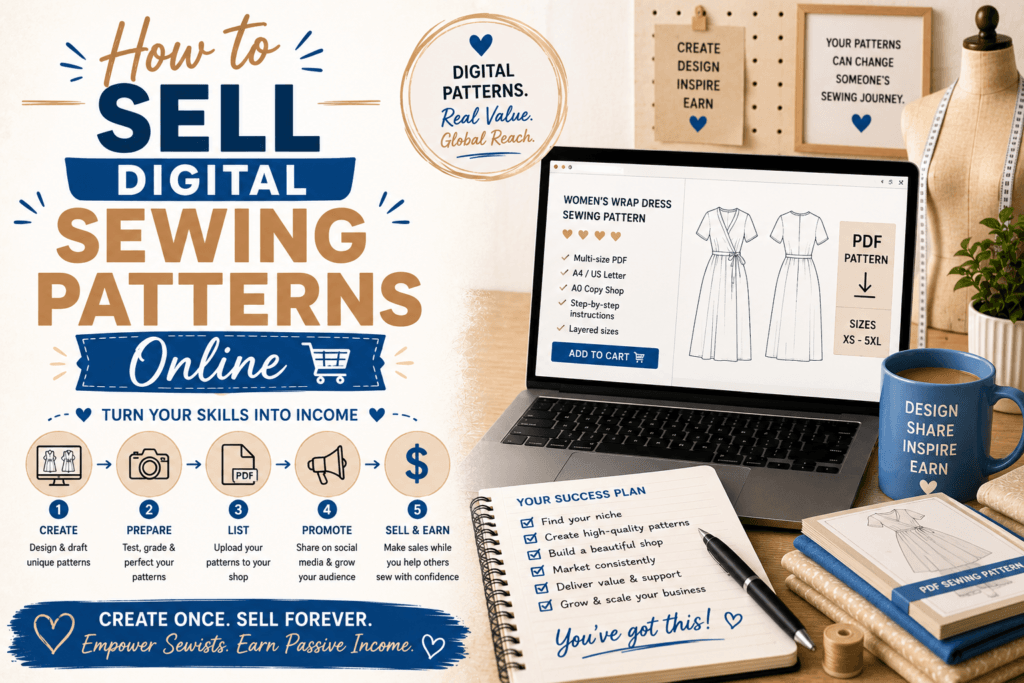
That is why digital patterns are such a smart product. They help you package your knowledge into something useful, easy to download, and easy to buy. If you want to see the kind of patterns people are searching for, take a look at my digital patterns and notice how simple silhouettes can become steady sellers.
For home sewers, this is good news because you do not need a giant studio or a huge team to start. You need a clear pattern, clean instructions, and a way to show buyers what they are getting. For designers, this means your drafting skill can do more than fill a portfolio. It can become an asset that pays you every time someone clicks download.
The best part? You can begin small. Start with one style, one size range, and one customer problem to solve. Make the pattern easy to follow, easy to print, and easy to love. Then improve it as real buyers give feedback and show you what they need next.
Sell Patterns for Passive income: why it works
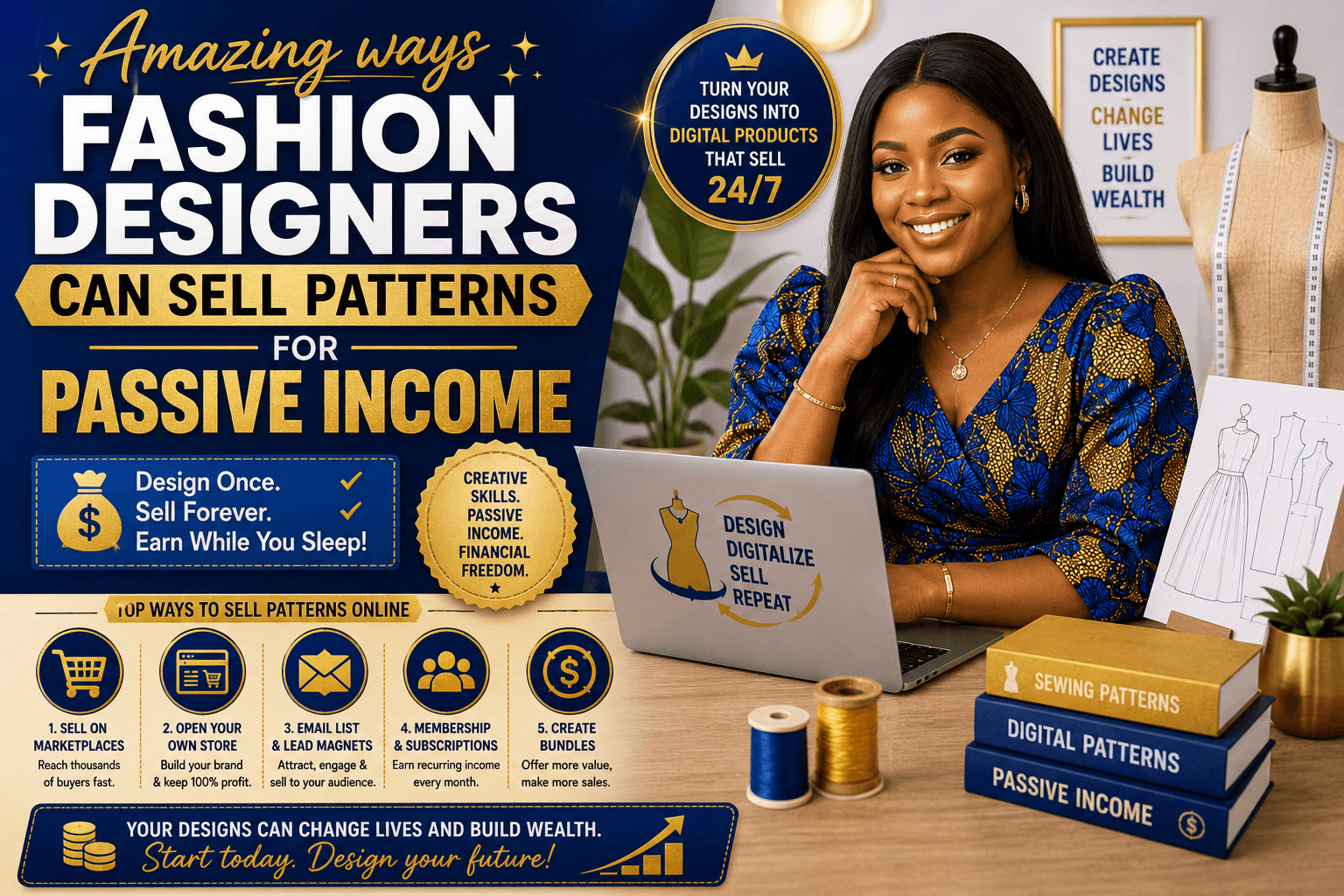
When you sell patterns for passive income online, you are not trading every sale for more hours at your desk. You are building one useful product that can serve many buyers over time. That is the beauty of when you sell patterns for passive income: one good file can keep working while you are drafting the next design, teaching a class, or enjoying a slow afternoon in your sewing room.
It also helps that patterns solve a real problem. People want guidance, better fit, and less guesswork. When your pattern makes sewing easier, buyers remember your name and come back for more.
OTHER RELEVANT BLOG POST
How to create patterns people will buy
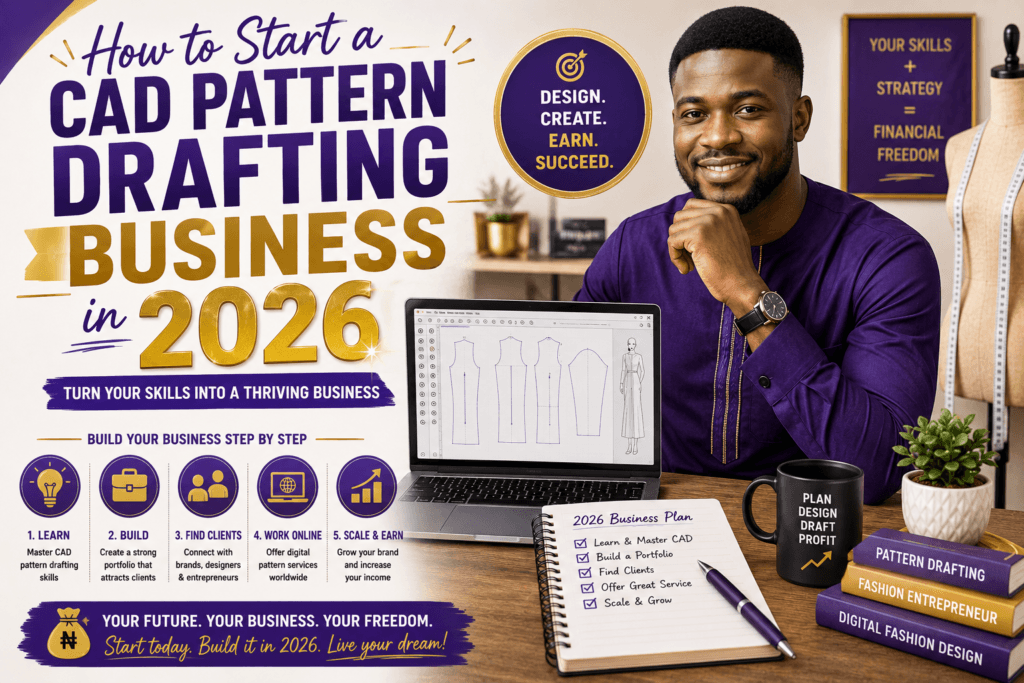
- Pick a simple starting design. A sleeveless top, easy skirt, or clean dress shape is often a better first product than a very complex piece.
- Draft in CAD with clean lines. Keep your pattern pieces neat, labeled, and easy to edit when you need to grade or correct a fit issue.
- Test the fit. Sew the sample, check the measurements, and fix anything that could confuse a buyer.
- Write clear instructions. Use plain language, short steps, and helpful visuals so home sewers can follow along with confidence.
- Export professional files. Offer PDF files, print layers if possible, and make sure your pages are easy to assemble.
- Show the result. Add mockups, flat sketches, and real photos so people can picture the finished garment.
Tools that make CAD pattern drafting easier
Good tools make the work smoother, especially if you want to move from idea to sale without a lot of stress. CAD software helps you duplicate sizes, make quick edits, and stay organized. If you are exploring tools, these official resources are useful:
- Adobe Illustrator for clean vector drafting and layout work.
- CLO for 3D fashion design and virtual garment testing.
- U.S. Copyright Office for general copyright information about creative work.
- If you want something free try Seamly2D, Seamscape, or Valentina.
- you can watch this playlist on how to use seamly 2d here
You can also use a good measuring system, a scanner, a plotter, and a simple file naming routine. Small habits like these save time later and make your shop feel more professional.
Simple pricing and sales tips
Pricing does not have to be complicated. Start by looking at similar patterns, then price based on value, clarity, and the amount of work you put into the design package. A pattern that includes grading, instructions, and multiple sizes is worth more than a basic draft with no support.
Once your product is ready, share it in a few places. You can post sewing tips on your blog, direct people to your digital shop for custom work, and show finished makes on social media. The more clearly you explain the benefit, the easier it becomes for the right buyer to say yes.
Common mistakes to avoid
One common mistake is trying to launch too many patterns at once. Start with one pattern and make it excellent. Another mistake is skipping testing. A pattern that is hard to understand can lead to refunds and bad reviews, so take the time to check your work.
Also, do not hide the best parts of your pattern. If it has multiple sizes, bonus tips, or a flattering fit, say so. Buyers want to know what makes your file worth downloading.
Technical Excellence in Digital Pattern Drafting
To truly stand out in the digital pattern market, your technical execution must be flawless. When drafting in CAD, focus on “clean geometry”—ensure all anchor points are joined and curves are smooth.
Layering for Success:
Organize your PDF files using layers. This allows home sewers to select and print only their specific size, reducing paper waste and making the pattern much easier to read. The Power of Notches and Grainlines: Never skip the technical markings
FAQ
Do I need advanced CAD skills to sell patterns?
No. You can start with simple shapes, learn one tool at a time, and improve as you go. A clear, useful pattern is more valuable than a perfect-looking one that never gets finished.
What kind of patterns sell best?
Patterns that solve a common need usually do well, such as tops, skirts, dresses, and pieces that are easy to sew. Styles with a clean fit and clear instructions are especially helpful for home sewers.
Can home sewers create digital patterns too?
Yes. If you enjoy sewing and learning drafting, you can absolutely turn your skills into products. Many great pattern sellers started with one garment and grew from there.
How do I get my first sales?
Make one strong product, show real photos or mockups, share it with your audience, and keep improving based on feedback. Consistency matters more than perfection.
If you have been sitting on pattern ideas, this is your sign to package one simple design, test it, and let it work for you again and again. Your drafting skills can become a real income stream, and the first step is usually smaller than you think.