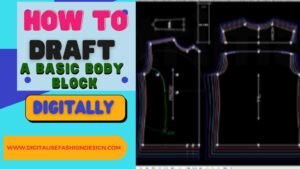
I still remember the day I sat at my sewing table, staring at a paper sleeve pattern and thinking, there has to be an easier way. Once I learned how to move that same pattern into CAD, everything felt lighter, cleaner, and faster. If you are a home sewer or a fashion designer who wants a simpler path into pattern work, these digital skills for fashion designers in 2026 will help you save time, fit better, and create with more confidence.
The good news is that you do not need to learn everything at once. Start with one small skill, practice it a little each week, and let the confidence build. If you are still getting comfortable with measurements, my simple guide on body measurement basics is a great place to begin, because fit starts with accurate numbers.
And if you like learning by studying ready-made shapes, try working through my pattern resources so you can see how real pieces are built before you draft your own. That is exactly why I keep my digital patterns easy to follow: they show you the structure behind a garment without making the process feel intimidating.
In this post, I am going to walk you through the seven skills that matter most, especially if you want to move from paper-only sewing into a more flexible CAD workflow. Think of these skills as your modern sewing kit: measurement, drafting, grading, sketching, 3D visualization, file organization, and smart collaboration.
OTHER RELEVANT BLOG POST

You do not have to be a tech expert to use them. In fact, many of the easiest wins come from learning one tool at a time and using it the same way every week. If your goal is to turn your pattern drafting practice into a side income or a real business, this part matters just as much as the sewing itself.
Before we dive in, I also want to give you a few helpful places to explore later. You can bookmark my CAD pattern drafting basics playlist, check the my Seamly2D beginner-friendly playlist, or look at Adobe Illustrator if you want a strong vector design tool for fashion work. Once you know where to start, the learning path feels much less overwhelming.
1. Digital measurement tables
The first skill is learning how to keep your measurements in a clean, usable table. When your numbers are organized, CAD drafting becomes much easier because you are not hunting through notebooks or trying to remember what changed. A good table also helps you compare sizes and keep your fit consistent from style to style.
Tip: Keep one master table for your body or target customer, then save separate tables for special projects like stretch knits, fitted bodices, or plus-size blocks. If you want a shortcut, use my body measurement chart guide together with the MULTISIZE MEASUREMENT TABLE FOR YOUR CAD SOFTWARE.
2. CAD dress pattern drafting
This is the heart of the process. CAD dress pattern drafting means creating your pattern pieces on the computer instead of drawing and cutting everything by hand. You still use the same sewing logic, but the software helps you keep lines cleaner, change measurements faster, and save every version.
Easy way to start:
- Choose one basic block, like a bodice or skirt.
- Enter your measurements carefully.
- Draft only the front piece first.
- Mirror it when possible to save time.
- Print a test copy and check the fit.
If you want a beginner-friendly place to practice, Seamly2D is a good free option to explore.
3. Digital pattern grading
Once you have one good block, grading helps you turn it into a size range. This is a huge skill for fashion designers because it saves hours of redraw time. Instead of making a brand-new pattern for every size, you adjust the same base shape in a smart and controlled way.
Helpful tip: Learn the difference between grading and resizing. Resizing changes one pattern quickly, while grading keeps the design balanced across multiple sizes. If you want more help with this step, my easy pattern grading guide is a good next read.
4. Digital sketching and flats
Even if you love hand sketching, digital sketching is worth learning because it makes your ideas easier to edit, share, and reuse. Fashion flats are especially useful when you want to show a garment clearly without any distractions. They help with teaching, selling, and planning production.
Tool tip: Many designers use Adobe Illustrator for flats, line work, and clean presentation boards. You do not need to become an expert right away. Start with simple shapes, clean seams, and clear labels.
5. 3D garment visualization
3D is one of the most exciting skills to learn because it helps you see how a garment will look before you cut the fabric. That means fewer surprises and fewer wasted samples. For home sewers, this can make the whole process feel safer and more fun. For designers, it can help you present ideas to clients or buyers with more confidence.
Worth exploring: CLO 3D and other 3D tools like seamscape 3D let you test fit, drape, and movement on a virtual body. Even a basic understanding of 3D can help you catch problems early, like a tight armhole or an awkward side seam.
6. Tech packs and file organization
A tech pack is simply a clear instruction sheet for a garment. It can include sketches, measurements, fabric notes, trims, and construction details. Good file organization makes your work look professional and keeps you from losing important versions. This skill matters whether you are sewing for yourself or building a small brand.
Simple habit: Create folders for patterns, exports, measurements, sketches, and photos. Name your files clearly, like bodice_block_v1, bodice_block_v2, and final_sample_notes. That one habit can save you hours later.
7. Smart collaboration and AI-assisted workflow
The last skill is learning how to work smarter with digital tools and people. In 2026, fashion work is faster when you can share files, collect feedback, and use AI carefully for planning, sorting ideas, or writing simple descriptions. AI should support your work, not replace your judgment, especially when fit and construction matter.
Try this: Use AI to brainstorm collection names, organize project notes, or create a first draft of a product description, then edit everything yourself. That keeps your voice personal and your work accurate.
A simple beginner workflow you can follow
- Measure first and save your numbers in one clean table.
- Draft one basic block in CAD.
- Check the fit with a test print or a 3D preview.
- Make small corrections and save each version.
- Grade the pattern only after the base fit looks good.
- Organize your files so you can reuse the pattern later.
If you want the process to feel easier, take it one step at a time. You do not need to learn every tool in one week. You just need a repeatable system that helps you draft, test, and improve with less stress.
FAQ
Do I need expensive software to start CAD pattern drafting?
No. You can begin with free or lower-cost tools and still learn the core skills. What matters most is practicing measurements, drafting, and clean file habits.
Can home sewers really use these digital skills?
Yes, absolutely. Home sewers can use CAD to store patterns, adjust fit, make copies, and reduce paper waste. It is especially helpful if you sew the same style more than once.
What is the easiest skill to learn first?
Start with measurements and a simple CAD block. Those two things give you the strongest foundation for everything else, including grading, 3D, and tech packs.
How long does it take to feel comfortable?
Most people start feeling better after a few consistent practice sessions. The key is to work on one project at a time and keep your files organized so you can review your progress.
If you remember only one thing from this post, let it be this: start small, stay consistent, and let each digital skill support the next one. The more you practice with real patterns, the faster everything clicks. Whether you are sewing for your family, drafting for clients, or building a fashion business, these habits will help you move with more confidence in 2026.